3 Tips for Proper Layer Chicken Nutrition and Feeding
Layer chicken nutrition depends on feed quality, the bird's growth stage and feeding times. Here are 3 tips to keep hens laying and eggs high quality.

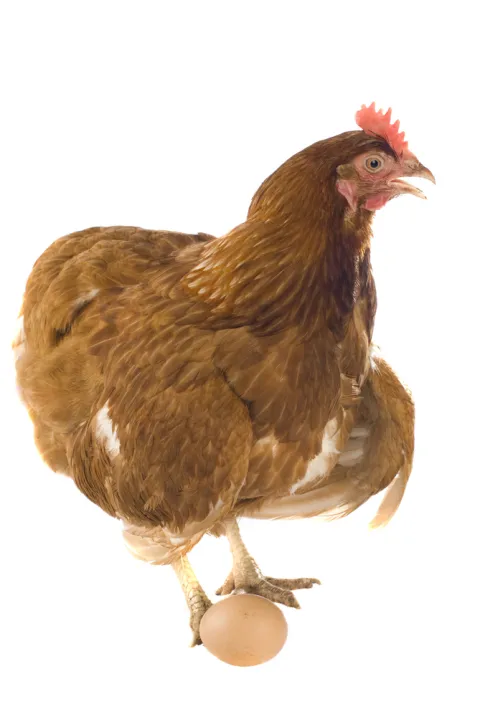
Do you know what a layer chicken is? Layer chickens are raised specifically for their eggs. They are productive birds that keep laying for up to 18 months. Past 18 months of age, their productivity starts to decline. Even so, some layer farmers feed high-nutrition rations to get the hens laying again. The feed these layer chickens eat must go through quality control so that egg quality stays consistent. Here is how to feed layer chickens so that both their nutrition and their egg quality are maintained:
Also read Chicken Egg Quality Keeps Improving Year After Year
Growth Periods
Layer chickens go through three periods, and each one calls for a different feeding approach. Feeding correctly for each period goes a long way toward keeping the birds productive and protecting them from disease and the risk of illness. Chicks aged 0 to 4 weeks are in what is called the pre-starter or chick period. Chicks aged 4 to 10 weeks are in the starter period, and birds aged 11 to 16 weeks are in the grower period, the main growth phase. The final stage is the layer period, or egg production phase, which runs from 17 weeks of age until the hens are culled.
Why Quality Control Matters in Layer Feed
Why does layer feed need to be high quality? Because layer chickens produce eggs that people will eat, and the better the egg quality, the better the eggs are for consumers. Feed quality also matters because hens lay during a specific window of time; if that window is not used well, they will not lay to their full potential. On top of that, quality feed helps keep hens productive even after the layer period has ended.
Feeding
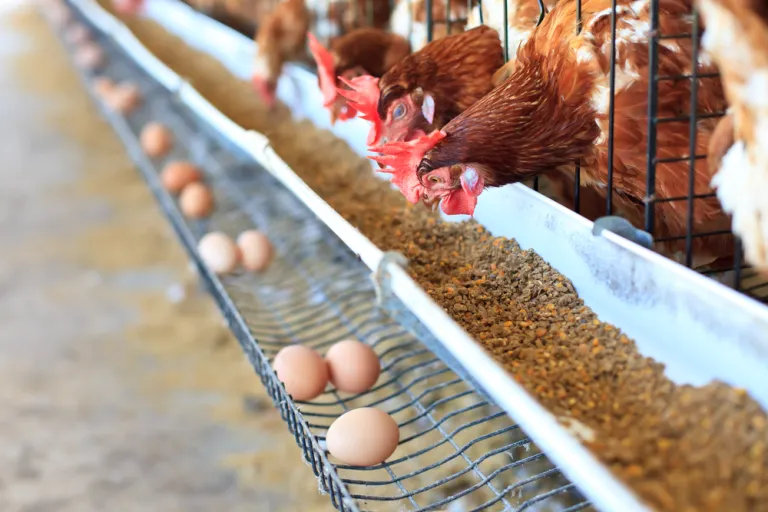
Feeding is the key to maintaining a layer chicken's nutrition. Do not feed too rarely or too often. Feed twice a day, in the morning and late afternoon. Each layer chicken needs 100 grams of feed per day. You can feed your layers at 7 a.m. and 5 p.m. Give the larger portion in the afternoon, since chickens have a bigger appetite then than in the morning. Keep feeding times consistent and do not let them slip, because chickens get stressed very easily when their mealtimes are irregular.
Most of a chicken's nutrition comes from the food it eats. If you do not pay attention to the feed, egg quality suffers. When layer chickens do not get the nutrition they need, the losses include fewer eggs, smaller eggs and a shorter productive life.