4 Key Management Practices for Laying Hens in the Laying Phase
Master laying hen management in the laying phase: feed, coop, staff and egg handling, plus the warning signs of a failed harvest to watch for.

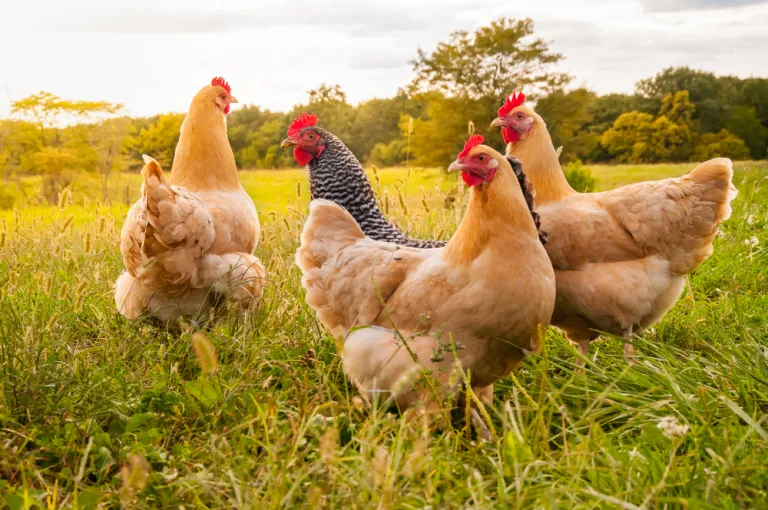
The laying phase is known as the harvest period. This is the phase that reveals how well the layer chickens have been cared for on the farm. The better the care, the more satisfying the results, and vice versa. Results never betray the process: if a poultry farmer has cared for the birds well through each stage, the outcome won't disappoint. To keep the flock productive, farmers must manage every stage of a layer's life well, from the starter phase through the laying phase. Here are the key management practices for laying hens in the laying phase:
Contents
Feed Management
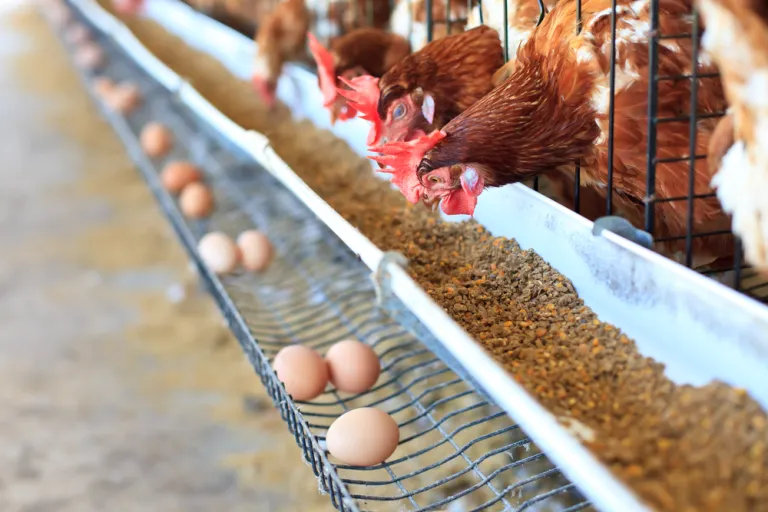
The first management practice for laying hens in the laying phase is feed management. Feed is crucial to layer productivity. Once the birds enter the harvest period, farmers need to provide highly nutritious feed so the hens lay plenty of eggs that are also high in quality. Feed that lacks nutrients will result in lower-quality eggs. Whether a flock's eggs measure up depends not only on how many there are but also on their quality.
Also read 5 Negative Effects of a Poorly Designed Layer Chicken Coop
Coop Management
The next area to manage is housing. Housing matters not only in the laying phase but in nearly every stage, whether starter, grower or layer. For hens that have entered the harvest or laying phase, good coop management is essential. The coop must be safe, comfortable and warm so the hens can lay in peace. When hens are stressed during this phase, egg output drops below its potential. One source of stress to avoid is discomfort and a lack of security caused by disturbances around the coop. The coop for the laying phase should also support labor efficiency.
Staff Management
The next important management practice for laying hens in the laying phase is human resource management. Staff are essential to the farm's daily operations. Farmers who employ workers should train them on how to handle hens during the laying phase so the harvest is as good as possible. With sound staff management, farmers can raise productivity and achieve the vision and mission they have set for the farm.
Egg Handling Management
The laying phase is the final phase in a layer chicken's life. Besides feed, coop and staff management, the next area to address is egg handling. Eggs need to be handled properly so none are damaged by poor handling. The right approach is to collect eggs promptly and safely and keep them away from the hens. If eggs are not collected right away, there is a risk of cannibalism, with hens eating their own eggs. Farmers can keep today's eggs separate from yesterday's. This helps detect spoilage, because eggs stored at room temperature do not keep for long.
Signs of a Failed Harvest
Several factors can cause a failed harvest, and a failed harvest can cost farmers a significant amount of money. Here are the signs of a failed harvest in laying hens that farmers should know:
- The shell does not form properly, so the egg is not perfectly shaped.
- Blood in the yolk, a sign that the hen is bleeding internally. Blood in the egg lowers its quality.
- Eggs that are too small, which few consumers want to buy.
- Many hens fall sick or become stressed when they enter the laying phase.
Also read 5 Most Efficient Ways to Meet Layer Chickens' Nutritional Needs
A failed harvest is the result of poor farm management. To avoid one, farmers should follow the laying-phase management practices for laying hens described above, which have proven effective at preventing harvest failure.