Raising Native Chickens in a Small Backyard? Try These Foolproof Tips
Try small backyard chicken farming with native chickens: pick the right spot, build raised stackable coops, choose quality chicks and keep it clean.

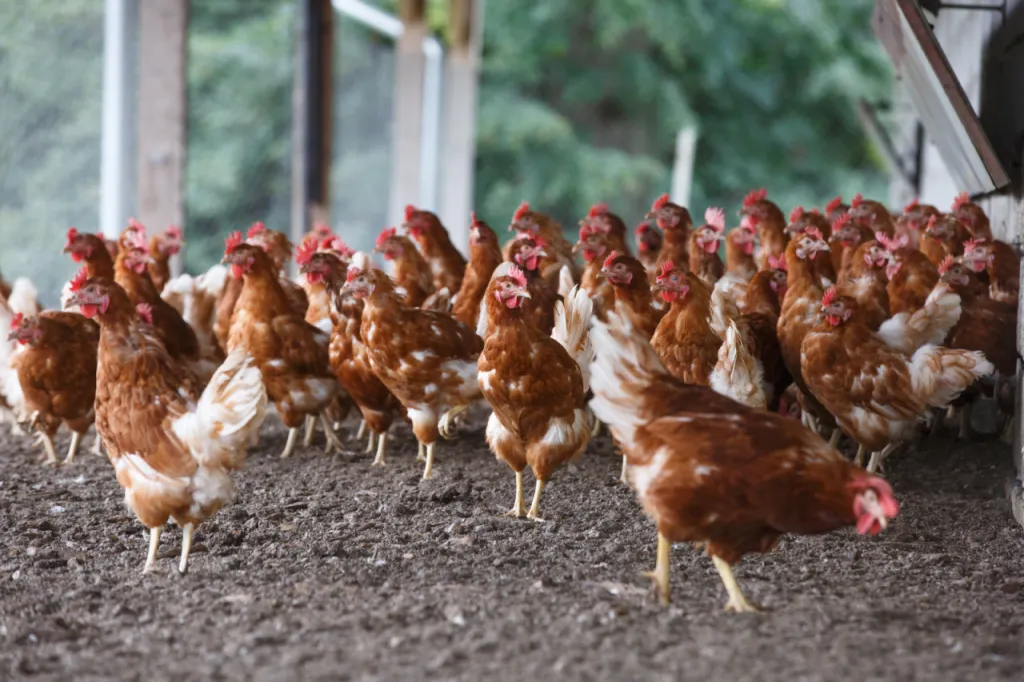
Ayam buras is short for bukan ras, meaning "non-breed," so these native chickens have no formal breed line the way layer and broiler chickens do. Many people have unrealistic ideas about chicken farming, assuming it requires a large plot of land, lots of chicks and so on. In reality, you can raise chickens on a small plot too. Not having much land is no excuse to keep putting off a chicken business. Plenty of people have shown that raising chickens in a small space can still succeed if you know how. Here are foolproof tips for raising native chickens in a small backyard:
Contents
Choose the Farm Location
The first thing to consider is where you will keep the chickens. If you plan to raise them at home, the backyard is the ideal place for native chickens. Avoid using your front yard as a chicken farm, because not every guest who visits your home will enjoy the distinctive smell of a chicken farm.
Raised Coops
What sets small-yard farming apart from farming on a large plot is the type of coop. Success in raising native chickens in a small backyard depends heavily on the coop. If you have plenty of land, you are free to use any type of coop, but not in a small yard. In a small space, the coop should be a raised design whose floor does not touch the ground directly. A raised coop also makes it easy to clean up, since droppings fall through to the ground below. You should also give the coop a flat roof so it can be stacked with other coops. Stack them no more than 3 tiers high so you can keep a close eye on the chickens' growth and development.
Slim Coops
A bulky or oversized coop takes up a lot of space. You can build slimmer coops that are easy to move around. You also need to make the coop comfortable so the chickens are happy to stay in it. Avoid roofing materials that absorb heat, because they make the chickens overheat, especially in the dry season like right now. The coop should already be set up at your farm site before you buy any chicks.
Quality Chicks
Choose native chicks that are truly high quality so they have a stable, strong immune system. Keep the day-old chicks (DOC) in a coop that is safe, comfortable, warm and well lit. DOC need extra care, because the success or failure of your farm depends on how well you raise them. Only after the grower phase can the chickens be moved to a larger coop.
Also read Commercial Breed vs Native Chickens
Caring for Laying Hens
To help native chickens grow and breed well, you need to keep a close watch when they lay eggs. Every hen has a different temperament, so stay alert. A cooperative hen will sit on her eggs, while an indifferent one will mistreat them and may even eat her own eggs. If you find a hen like that, separate her eggs and place them in a heated incubator so they can hatch without being brooded.
Always Keep Yourself and the Farm Clean
One advantage of raising native chickens in a small backyard is that it is easy to clean, unlike a very large farm that takes a lot of labor and time to keep clean. Clean up the droppings every morning and afternoon. You also need to be clean yourself when you clean the farm. If you are feeling unwell, wear a mask so you don't pass germs or bacteria to the chickens or pick them up from the farm while your immune system is weak.
Those are easy, foolproof ways to raise native chickens in a small backyard. We hope this information is helpful.
Find more interesting articles only at ayamkita.com!