5 Challenges of Raising 100 Laying Hens and How to Overcome Them
Raising laying hens in your backyard? Learn how to handle 5 common challenges of a 100-hen flock, from feed costs and ammonia to stress and neighbors.

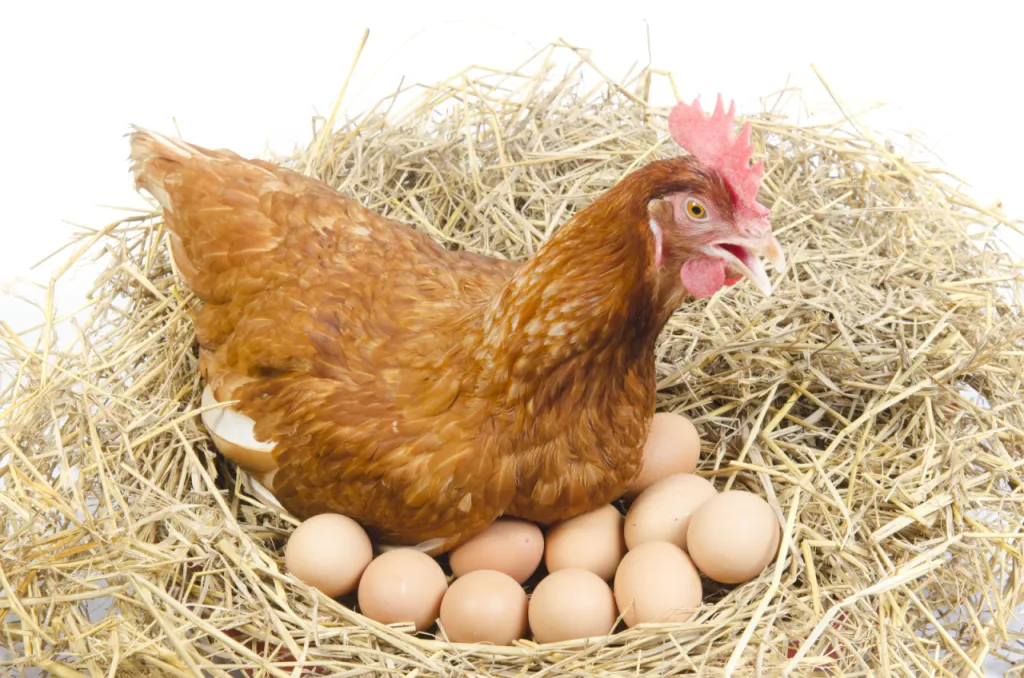
Backyard laying hen operations often start with 100 birds. Because the land available for a home farm is limited, the flock can't be too large or too small. The high operating costs of laying hens are the reason beginners should start with a flock of 100. Once the farm proves successful, it can grow into an industrial-scale operation of 1,000 birds.
Poultry farmers face several obstacles that can keep this kind of farm from turning out as hoped. Here are some common challenges of raising 100 laying hens and how to overcome them:
Contents
High Feed Costs
One of the obstacles, or risks, that a backyard farmer with 100 hens has to face is high feed costs. Feed affects the hens' development throughout their laying life. The better their feed needs are met, the better their growth and productivity, and vice versa. To keep feed costs in check, farmers can offer alternative feed and add probiotics so the feed is fully absorbed. Probiotics can also reduce the odor of chicken droppings, which is a big plus for a backyard egg business.
Uneven Growth
A common challenge when raising 100 laying hens is uneven growth across the flock. The cause is poor monitoring and uneven feed distribution. Hens that get enough feed will be heavy, while those that don't will stay small. That is why the flock needs to be evaluated and weighed consistently every week. If the problem isn't addressed in time, the underweight hens will also be less productive.
High Ammonia Levels
Because space is limited, many farmers end up dealing with high ammonia levels in the coop. High ammonia makes hens lose their appetite, so they take in fewer nutrients. To bring ammonia levels down, farmers need to clean the coop right away. Poor coop hygiene is believed to be what causes ammonia to build up.
Also read 4 Laying Hen Farming Risks to Watch Out For
High Stress Levels
The next challenge farmers must face is high stress levels in the flock. Cramped coops and a residential setting, which is very different from an industrial farm site, are what trigger high stress in the hens. One way to deal with highly stressed hens is to separate them from the flock. Once they have calmed down, they can be returned to the coop. Stressed hens show signs such as loss of appetite, hyperactivity, restlessness, frequent vocalizing that creates a commotion and so on.
Neighbors' Likes and Dislikes
Another risk farmers face is whether their neighbors approve of the farm. It is natural for some people to like it and others not to, but farmers should also recognize that their neighbors have a right to a pleasant living environment. So to keep the neighbors comfortable, always keep the farm area clean so it doesn't give off a strong smell. Choosing the right feed is also important so the chickens' droppings don't smell.
Admittedly, a backyard farm won't earn as much as an industrial-scale operation. So once you have succeeded with 100 laying hens, grow the business by moving into industrial-scale chicken farming.