7 Proven Ways to Raise Laying Hens at Home for Profit
Learn how to start raising laying hens at home for profit, from choosing the site and coop design to flock size, vaccines and a closed house setup.

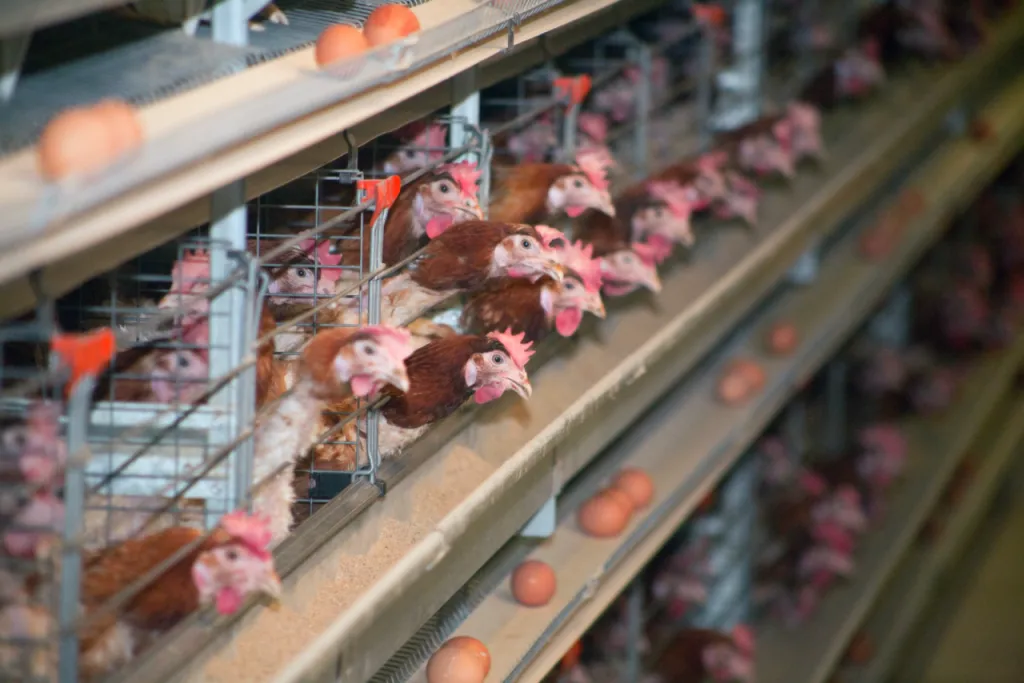
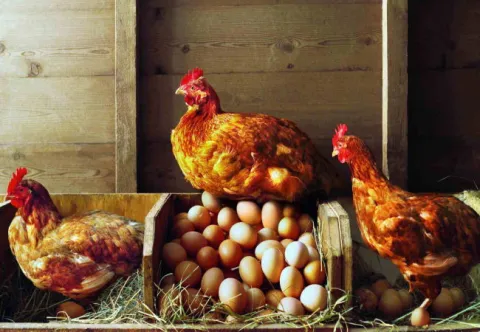
Raising chickens does not take a lot of land; your own home can serve as a farm. Farming at home is called backyard or household-scale farming, while raising large numbers of birds on a big plot of land is called industrial-scale farming. The backyard scale is ideal for beginner poultry farmers because a failure does not bring heavy losses. It is also an effective way to learn.
Raising laying hens at home works differently from raising them at industrial scale. Get the method wrong and your income will not cover your operating costs. To turn a profit, follow these proven steps for raising laying hens at home:
Contents
Prepare the Location
To farm with peace of mind, pick a spot at home that suits livestock. The best place to keep chickens is the backyard. If you live in a rural area with a large yard, you can put that space to work for your chickens.
Also read Tips for Raising Native Chickens in a Small Yard
Stay Close to a Water Source
A backyard laying hen operation runs best when it is close to a water source. Some large-scale farmers even dig a well on their farm, because water is essential to keeping a layer business, or any other poultry business, going. Water is used to clean the coops and the surrounding area, and to give the birds drinking water. If your water source is far away, you will struggle to fetch water and haul it to the farm.
The Right Coop
Backyard farming calls for the right coop so the chickens can grow and thrive, even in a small yard. The right choice is a raised coop on stilts, so the floor does not touch the ground and stays dry when it rains. A raised coop also makes it easier to clear out droppings, keeping the space clean and sanitary.
Stack the Coops
If your yard is small, stacking the coops lets you keep more chickens. Build the coop roofs flat so they are easy to stack. Also, stack no more than 3 coops; do not build them too high.
Start with 100 Birds
What separates backyard farming from industrial farming is the number of laying hens raised. Many beginners experiment with fewer than 100 birds, such as 50 or 75. Ideally, though, a backyard flock should have 100 birds. Why? Because with 100 birds, your operating costs can be covered. Not all of those 100 birds will survive to harvest.
Vaccines
Laying hens in particular need vaccines to protect them from a range of diseases. Like broilers, layer chickens have weak immune systems, so they easily catch anything from mild to dangerous illnesses.
Closed House
Because the coop sits close to your home, turn it into a closed house whenever flu, disease or bacteria are going around your neighborhood. The goal is to keep the chickens inside from getting infected. Also make sure your body is clean and sanitized before you feed the birds or clean the coop, so germs on you are not passed on to the chickens.
Also read How to Get High-Quality Layer Day-Old Chicks (DOC)
Once you have put the backyard laying hen steps above into practice, run an evaluation once a month to check whether your hens are growing and developing well.