How to Increase Productivity on a Layer Chicken Farm
Raise output on your layer chicken farm with better coop management for chicks, balanced feed, clean drinking water and enough feeders and drinkers.

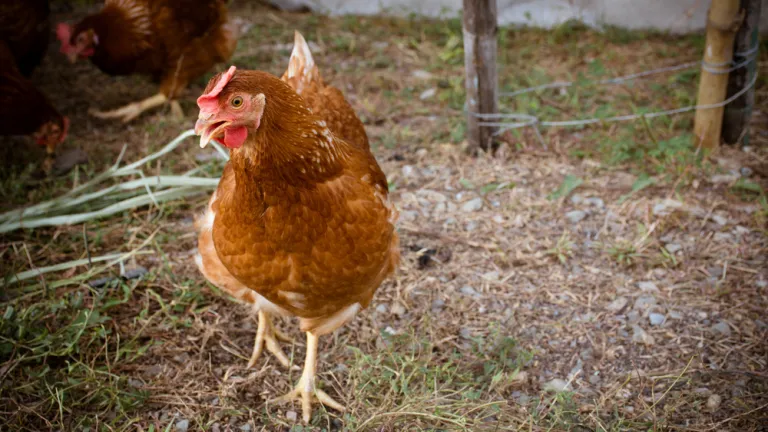
Every farmer wants the best possible output from their farm so that profits grow as well. Raising output takes good, sound farm management and proper animal care. Market prices also affect a farmer's profit, but how well the farm and its animals are managed is the main factor in whether a farm can last and stay profitable. Layer chicken farms are a good example: they need good, sound management so the hens can produce high-quality eggs. That is why farmers need to keep learning, so their farms can grow and deliver the profits they hope for.
Also read How Successful Broiler Farmers Produce the Best-Quality Meat
On a layer chicken farm, the main area that needs managing is usually the coop. The layer coop has to be prepared from the time the birds are still chicks, or DOC (day-old chicks). This helps the young layers grow well instead of falling sick easily or even dying early. If the chicks are not looked after properly, they will not grow well, because young layers tend to struggle to adapt to their surroundings right away. That is why the brooding coop must be set up to help the chicks adjust to their environment. Coop conditions such as air temperature, lighting and humidity need close attention so the layers grow up healthy.
To raise layer output, the feed you choose must also meet the hens' nutritional needs. Balanced feed that matches what the birds need will support their growth and development. Sometimes farmers get the feed formula wrong, which can cause egg production to drop. The nutrient levels in each feed are very important for helping hens be more productive. Too little energy, protein or calcium can make hens lay fewer eggs. Layer feed should be designed to help hens produce plenty of high-quality eggs.
Also read How to Raise Healthy, High-Quality Kampung Chickens
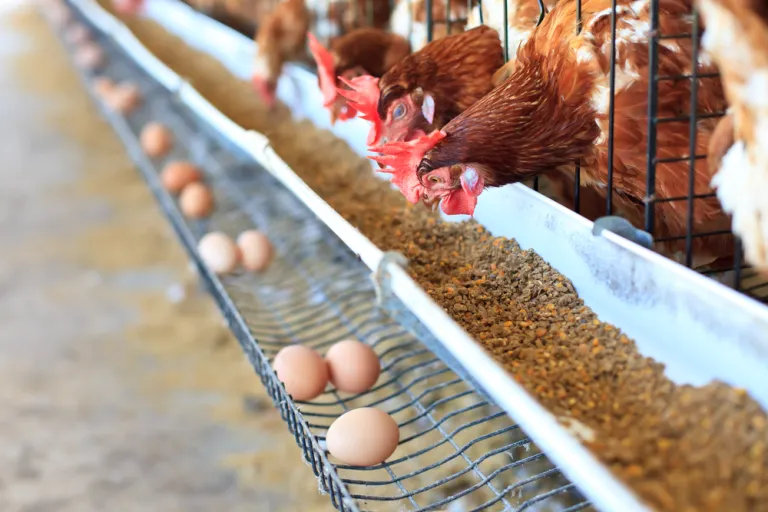
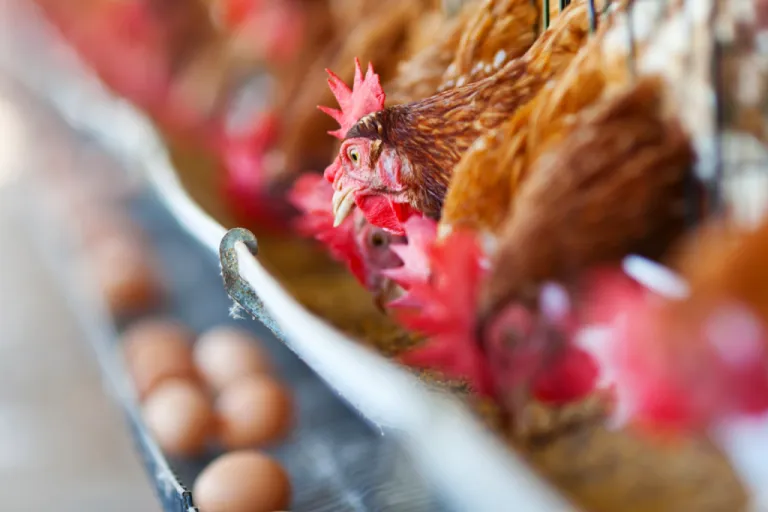
A lack of drinking water can also affect egg production in layer hens. Without clean, fresh drinking water, the birds' digestion is disrupted and they cannot absorb nutrients from their feed properly. Clean water and healthy feed also depend on the feeders and drinkers. Layer feeders and drinkers must be kept clean to stop germs and viruses from building up on them. Clean feeders and drinkers regularly and soak them in disinfectant so they are truly clean and hygienic. There should also be enough feeders and drinkers for all the birds. Do not let the hens run short of feed or water, because that can seriously disrupt layer production. So make sure there are enough drinkers and feeders that the birds never go without food or water.
Layer hens that produce plenty of high-quality eggs will, of course, increase a farmer's profit. To grow that profit, farmers have to manage both the farm and the birds wisely. That means caring for layers from the chick stage onward, from maintaining the coop to keeping feed and drinking water available. The feed must meet the hens' nutritional needs, and there must be enough drinking water so the hens can produce a large number of eggs.