4 Key Layer Chicken Management Practices
Good layer chicken management means more quality eggs. Learn how stock selection, a clean coop, productive age and vaccinations shape your flock.

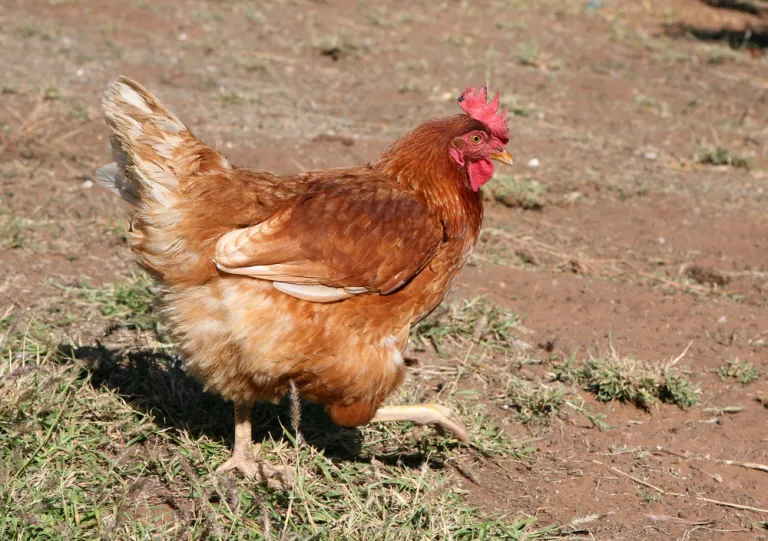
Layer chickens are raised for their eggs. Good chicken care helps your hens lay plenty of high-quality eggs; poor care, on the other hand, leads to lower-quality eggs. Quality eggs have strong shells with no cracks, a normal large size, and are produced in large numbers. Demand for chicken eggs may be high right now, but if your business does not develop well, buyers will stay away. Sound layer chicken management is what makes your business grow quickly and run more smoothly. Here is how to manage your flock:
Also read 5 Essential Nutrients in Broiler Chicken Feed
Quality Stock
Good layer chicken management starts with the stock. Healthy, high-quality birds produce high-quality eggs, so you need to choose truly good stock. Do not pick birds that are deformed or diseased. You can get quality layer stock directly from the breeding farm, which lets you see for yourself which birds are good and which are not. The healthier your layer stock, the stronger their immune systems.
A Clean, Ideal Coop
To produce quality eggs, you need a clean and ideal chicken coop. Each type of chicken has its own ideal coop design, so you need to know how to build the right one for your birds. Make the coop spacious so the chickens are not crowded together. Also keep the coop warm at night and cool during the day.
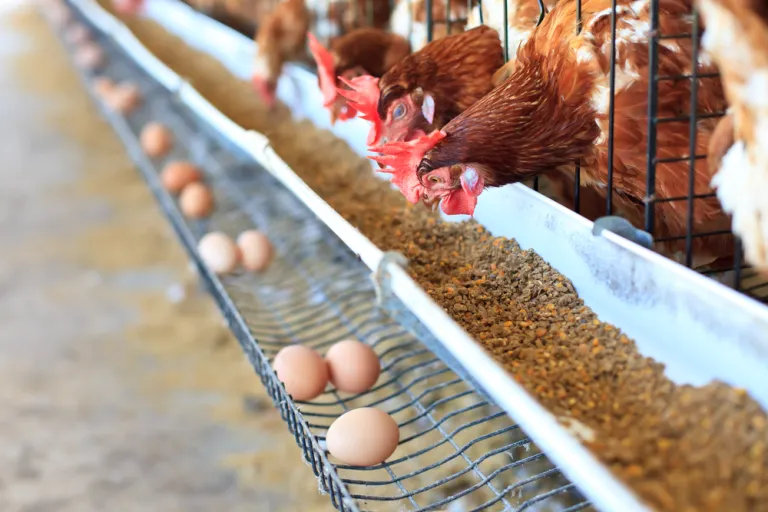
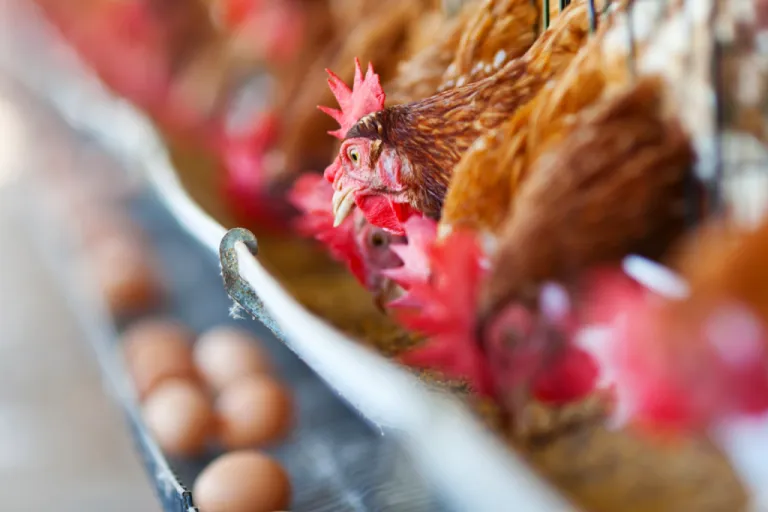
In a coop built for laying hens, you can make the bottom section an egg tray so the eggs are easy to collect. For hens that are laying, make the coop comfortable and safe. You can keep laying hens together so the coop feels more secure.
Also read 4 Requirements for Building a Chicken Coop to International Standards
Watch the Productive Age
Layers become more productive when you know how to care for them properly. One part of good layer chicken management is paying attention to their productive age. Choosing nutritious feed will make your hens more productive. Keep in mind that layers do not stay productive forever. Their productive years usually last only until about 18 months of age; after that, they lay fewer eggs or stop laying altogether. You can give nutritious feed from the time they are day-old chicks (DOC) until they are ready to lay. If you only start paying attention as they approach laying age, egg production will fall short of its potential.
Vitamins and Vaccinations
One part of flock management you must not forget is vitamins and vaccinations. They strengthen the chickens' immunity and help prevent many diseases. Both layers and broilers are highly susceptible to a wide range of diseases. If you skip vitamins and vaccinations, your chickens will fall sick very easily, and many of those illnesses can be fatal. Never take deaths lightly, because disease spreads very easily to the rest of the flock.
Also read 3 Ways to Get Laying Hen Day-Old Chicks and How to Care for Them
Running a business with living animals is not hard, but it takes diligence and patience. Do it with a cheerful heart so the work feels easier. And follow the layer chicken management practices described above so your farm runs smoothly and productively.