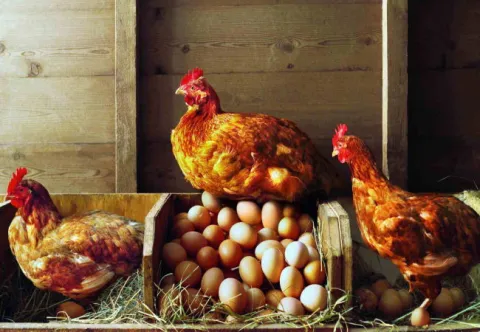
4 Laying Hen Farming Tips for Producing Quality Eggs
These laying hen farming tips cover coop location, quality stock, coop hygiene and vaccination so your flock produces plenty of high-quality eggs.

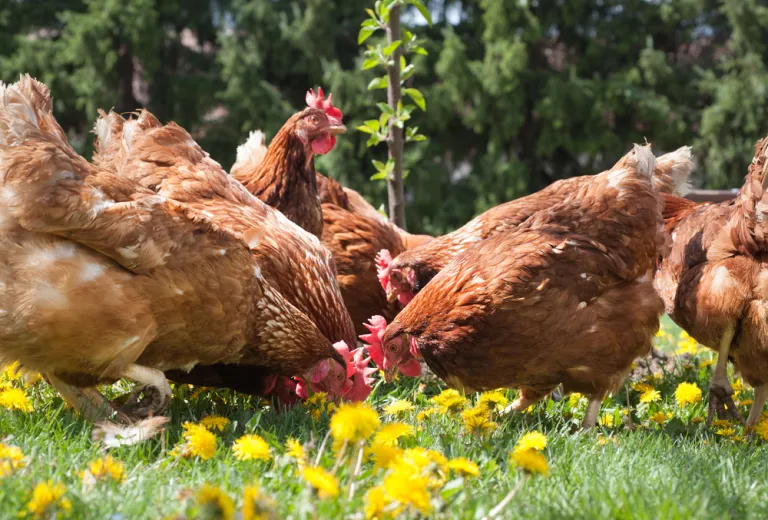
Raising laying hens can be very profitable, because you can earn from both their meat and their eggs. Eggs are also a go-to for parents preparing breakfast for their kids, since they are practical as well as highly nutritious. The key nutrient in chicken eggs is animal protein. Protein is essential for building the body and replacing damaged cells. A protein deficiency can keep damaged cells from regenerating, which disrupts body tissue. To produce nutritious, high-quality eggs, the eggs naturally have to come from high-quality laying hens. Raising chickens is easy enough for beginners, but producing quality eggs takes some specific, proven tips for raising laying hens the right way.
Also read 5 Things to Consider When Raising Laying Hens
Why Does Laying Hen Quality Matter?
If you plan to get into the laying hen business, the quality of your starter stock is crucial. Good stock produces good, high-quality chickens and meat. With laying hens, it is not only the meat that gets eaten but the eggs as well. Once hens stop laying, farmers slaughter them and sell the meat. Hens that are still productive, however, are kept alive until they can no longer produce eggs.
A quality laying hen produces plenty of large, high-grade eggs. A low-quality hen, by contrast, lays small eggs and fewer of them. You can also judge egg quality with the naked eye. A good egg has a round shape and a smooth, clean shell, makes no sound when you shake it, and has no cracks at all.
Tips for Raising Laying Hens
Laying hens differ from broilers because they are raised specifically to produce eggs. Farmers need to tailor their care so the hens produce high-quality eggs. If you are a beginner planning to raise laying hens, here is how to do it:
Also read What Do You Need to Start a Chicken Farming Business?
Coop Location
A chicken coop gives off a very strong smell, both from the droppings and from the chickens themselves. Build your coop far from residential areas so no neighbors are bothered by the odor.
Quality Stock
When choosing laying hen stock, you need to pick quality birds. There are many laying hen breeds and strains to choose from. To make sure you get quality stock, you can buy directly from the farm. Choose birds that are healthy and free of physical defects, and make sure they have already been vaccinated.
Coop Hygiene
The coop is the biggest source of bacteria and viruses for laying hens. If it is not cleaned, the hens can catch diseases caused by those bacteria and viruses. Regular cleaning is not enough on its own; you also need to spray disinfectant so the coop is free of deadly viruses and bacteria.
Vaccination
To keep laying hens from getting sick easily, you need to vaccinate them. Vaccination protects them from a range of diseases that are dangerous to laying hens. Prevention is better than cure, because once one chicken gets sick, the rest of the flock can easily catch it.
The chicken business is certainly attractive, as long as the chickens and eggs you produce are high quality. Buyers today are increasingly selective about which eggs are good and which are not. So to succeed, follow the laying hen farming tips above closely and apply them consistently.