5 Tips for Managing a Commercial Broiler Chicken Farm
Running a commercial broiler farm? Learn 5 key tips: build a team, get a business license, work with officials and choose quality feed and DOC.

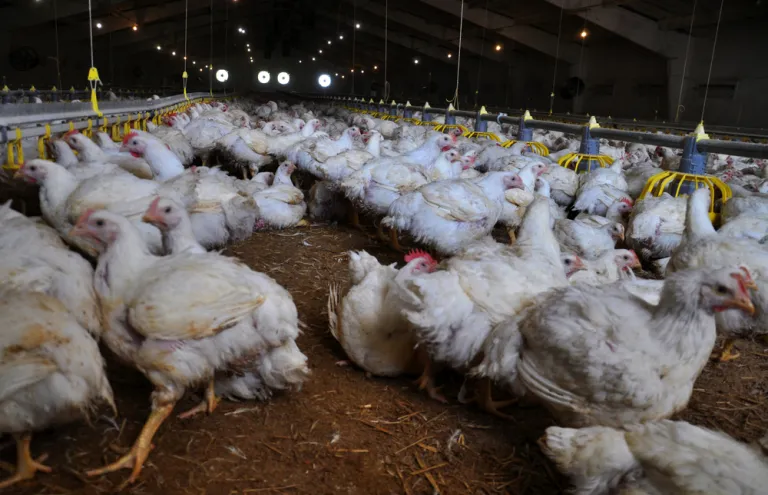
Broiler chickens are raised as a commercial business because they can generate substantial profits. Their short time to harvest has drawn many people into broiler farming. The difference between a commercial and a non-commercial farm lies in its economic activity. If the birds are raised only to meet personal needs, the broiler farm is non-commercial; if they will be sold to the market or the public for profit, it is a commercial broiler farm. If you are interested in getting into the broiler business, here are some guidelines for managing a commercial broiler chicken farm:
Contents
Build a Team
What sets commercial broiler farming apart from raising birds for personal use is the team behind it. An ordinary broiler farm has no team structure because all the work is done haphazardly. That is bad for the farm because the work never gets done as well as it could be. So if you plan to set up a commercial farm, build a team in which everyone has a clear job description. For example, decide who works in the coop and handles all the daily farm tasks such as feeding, providing water and cleaning the coop. Decide who gives vaccines and vitamins and who stands night watch. Most importantly, you need your own fleet of vehicles to distribute broilers that are ready for harvest.
Business License
A commercial broiler farm must have a business license, especially if it operates on a large scale. A business license protects the farm from a range of unwanted problems such as forced eviction, protests by local residents and more. Getting a business license means more than securing your neighbors' consent; the paperwork must be complete, including a building permit for the farm's facilities.
Also read Pros and Cons of Raised Broiler Chicken Coops
Work With the Relevant Government Agency
An important guideline for managing a commercial broiler farm is to build a working relationship with the relevant government livestock agency. The agency can provide training on how to vaccinate correctly and how to raise broiler chickens properly. Working with the agency helps farmers avoid future trouble, such as rumors about unhealthy meat or tiren (meat from chickens that died before slaughter), which an official statement from the agency can head off. Many professional and commercial farmers have started partnering with these agencies, especially as competition in the chicken business grows fiercer and some competitors resort to unfair tactics to bring down their rivals.
Clinically Tested Feed
Another guideline for managing a commercial broiler farm is to pay close attention to the birds' feed. Feed has a major influence on how broiler chickens grow and develop on the farm. Most commercial broiler farms use sterile, high-quality commercial feed.
Quality Day-Old Chicks
One thing that sets commercially run broiler farms apart is that they source quality day-old chicks (DOC) directly from integrator companies. These integrators often offer partnership schemes to broiler farmers. Through an integrator, farmers can easily get quality DOC even in batches of thousands.
The broiler business is very attractive, especially when it is managed well. If your goal is commercial, you can follow the guidelines for managing a commercial broiler chicken farm described above, since running a commercial operation is different from raising birds at home.
Also read 5 Mistakes When Feeding Broiler Chickens