4 Advantages of Layer Chicken Strains Over Broilers
What is a layer chicken strain? Learn 4 advantages of layer chicken strains over broilers, from high egg output to a longer harvest period.

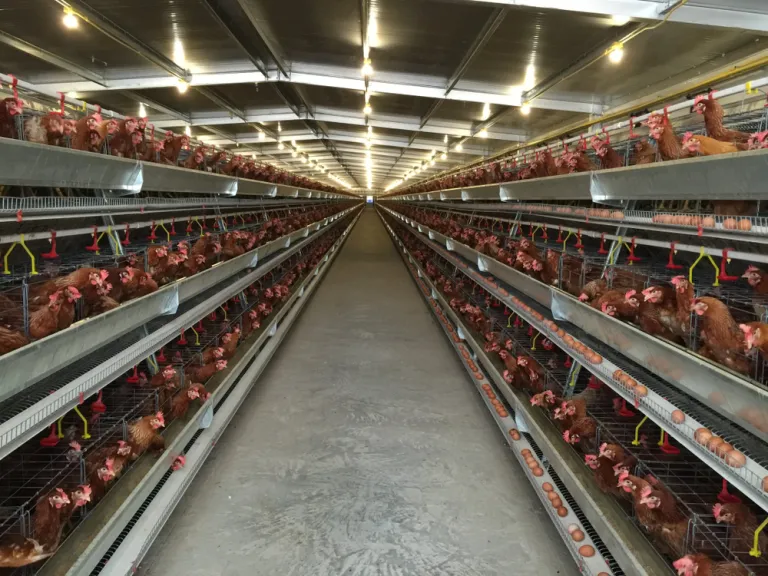
Not every layer chicken strain is a good fit for farming in Indonesia, because some of them are poorly suited to the country's climate and weather. Each strain has its own distinctive traits, and its productivity differs too. The more productive the birds, the more eggs they lay; if they are not productive, the output will be much lower. Poultry farmers who want to get into the egg business are better off knowing what a layer chicken strain is and what its advantages are. With enough knowledge and information, farmers stand a better chance of running the business well and, of course, turning a profit.
What Is a Layer Chicken Strain?
Anyone who wants to go into the laying hen, or layer, business needs to learn as much as possible about the strains of egg-laying chickens. A lack of information can keep the business from turning out as hoped. Most people only know chicken types, and few know about chicken strains. Layers and broilers come in different strains. A layer chicken strain is the name or classification of an egg-laying chicken based on its bloodline, whether purebred or the result of crossbreeding. Crossbreeding can produce birds whose shape, traits and type match the strains that were crossed.
Also read 5 Pros and Cons of the Layer Chicken Business to Consider
Advantages of Layer Chicken Strains
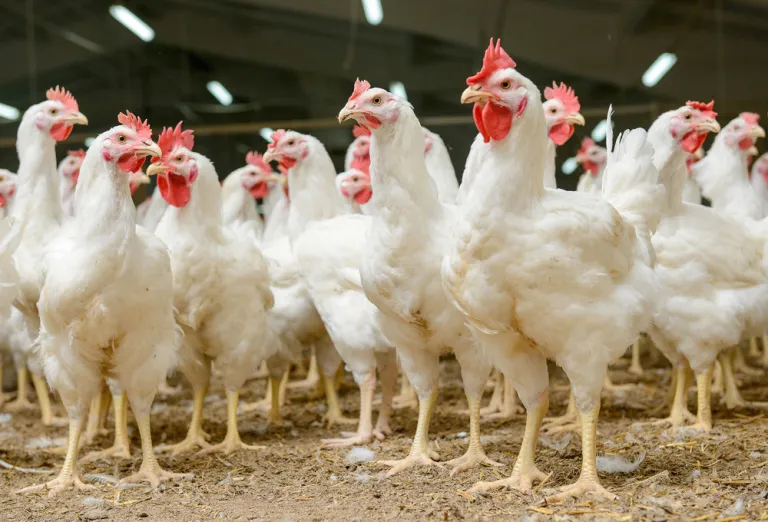
Layer chicken strains have several advantages over broilers. When it comes to raising them, broilers and layers do share one thing: they both need a lot of feed. In a side-by-side comparison, however, layer strains come out ahead in several ways. Here are some advantages of layer chicken strains worth considering:
High Egg Production
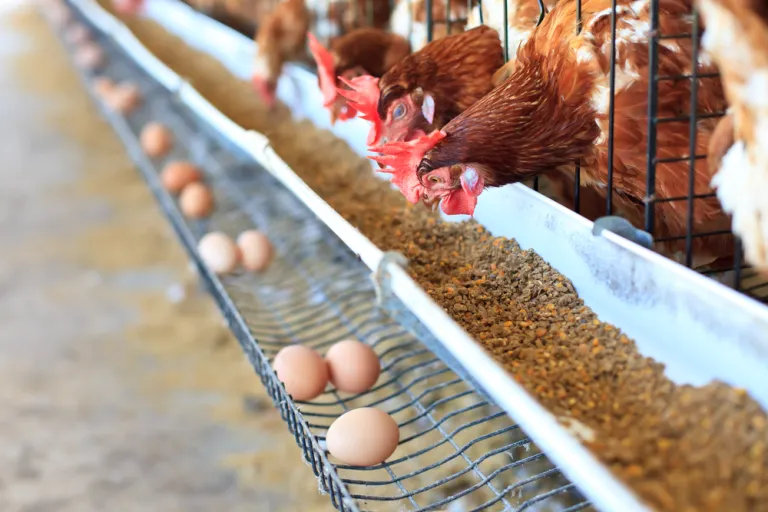
One advantage of layer chicken strains worth considering is that they can lay large numbers of eggs. Productivity depends on the strain being raised. When the birds are productive, they lay plenty of eggs, which earns the farmer a profit because there are many eggs to sell to the public.
Fast Harvest
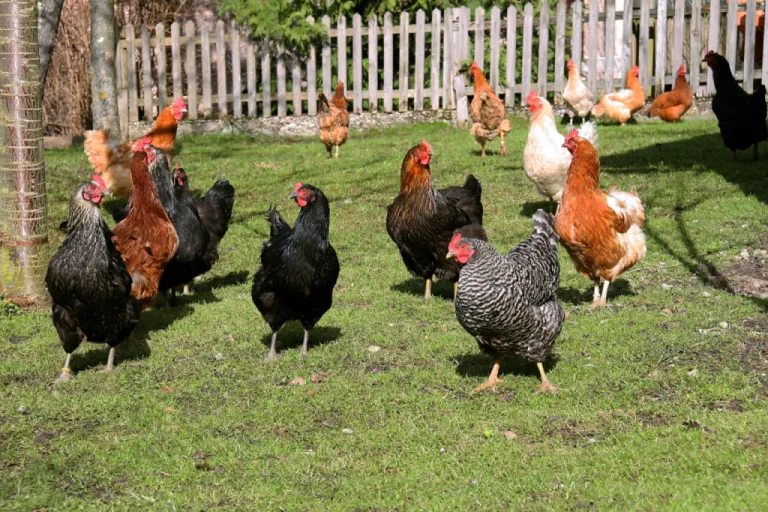
Layer chicken strains have a rapid growth rate. Their time to harvest is short, which means capital turns over quickly. That is unlike kampung chickens (Indonesian free-range native chickens), which take a long time to reach harvest, so capital turns over slowly.
Long Harvest Period
Laying hens have a longer harvest period. A layer chicken only goes through one laying period, but that period lasts longer than a broiler's cycle. Broilers are harvested only once, so profits from selling broiler meat come in just once, unlike layers, which bring in income again and again thanks to their long harvest period.
Can Be Sold as Meat Chickens
A layer can end up as a meat chicken, but not the other way around. Once culled, layer strains can be sold as meat chickens, which is not an option for broilers in reverse. Some layer strains that are no longer productive are slaughtered and sold for meat. Broiler chickens, on the other hand, cannot be used as laying hens because they do not produce eggs.
Many people want to get into the egg business because of the many advantages these birds offer. Even so, layer and broiler strains each have their own strengths and weaknesses, so farmers need to decide which strain is the better fit for their operation.
Also read 5 Negative Effects of a Poorly Designed Layer Chicken Coop