What Is a Chicken Carcass? Processing Steps and Quality Standards
Learn what a chicken carcass is, the five chicken carcass processing steps from slaughter to washing, and how to tell a high-quality carcass.

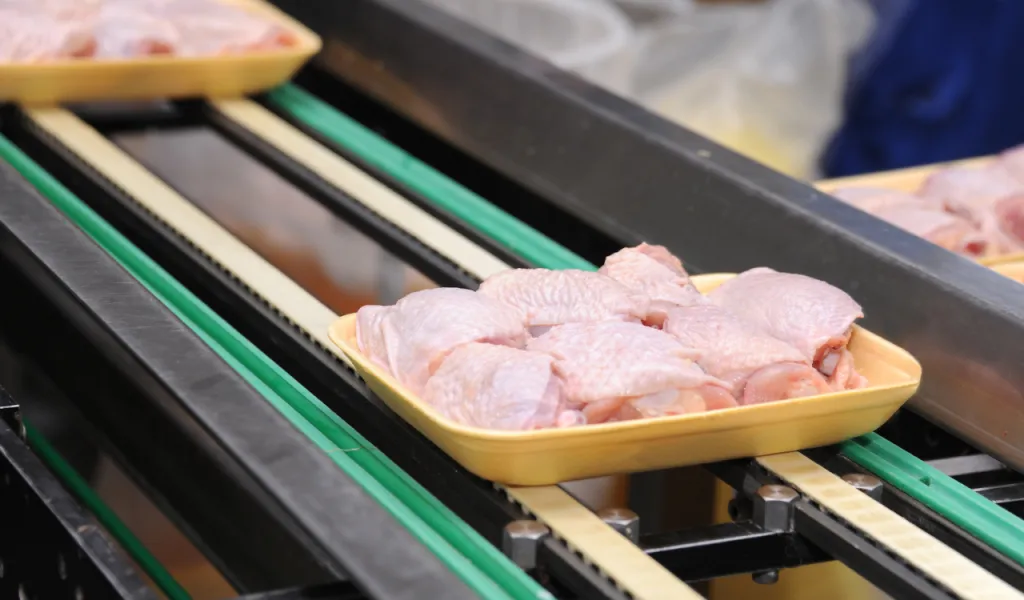
Running any business well takes complete, accurate information about that business. The chicken carcass trade is no different: you need to know some key facts about carcasses before you start. You also need solid skills, such as cutting chicken carcasses properly, handling them correctly, and much more. Here is the essential information that will help you understand what a proper chicken carcass is:
What Is a Chicken Carcass?
Before you learn anything else about chicken carcasses, you need to know what the term actually means. A chicken carcass (also called dressed chicken) is a slaughtered chicken with its feathers, innards, head and feet removed. These ready-to-cook carcasses are widely sold in supermarkets, traditional markets and by neighborhood vegetable vendors. Because several parts have been removed, a live chicken and its carcass differ in weight: the live bird is heavier than the carcass.
How Chicken Carcasses Are Processed
Turning a live chicken into a carcass takes careful processing. The wrong methods and techniques will make the carcass spoil and lose quality. Here is the right way to process a chicken carcass:
- Slaughter
To understand what a proper chicken carcass is, you need to know how to slaughter a chicken correctly. Improper slaughter only stresses the bird, and that stress lowers the quality of the carcass meat. To keep the chicken calm, separate it from the rest of the flock first, and withhold feed for 3 hours before slaughter. Make the cut precisely at the blood vessels in the chicken's neck.
Also read 5 Chicken Cuts Every Business Owner Should Know
- Bleeding
Thorough bleeding is essential to keep the carcass from spoiling quickly. Meat that goes bad after just a few hours at room temperature usually has not been bled out completely. Hang the slaughtered chicken upside down, feet up, so the blood drains out through the neck. Blood handling must also be hygienic and done properly so the blood doesn't spill everywhere. Once the carcass has lost all its blood, its weight will drop.
- Feather removal
The next step is to remove the feathers still attached to the carcass. Don't take this lightly: many shoppers are put off when feathers are left on the meat, so the bird must be plucked completely clean.
- Dressing
The next step in turning a chicken into a carcass is dressing. Dressing means removing certain parts of the bird, such as the innards, head and feet. Some processors also remove the wing tips.
Also read Opportunities and Advantages of the Chicken Carcass Business
- Washing the Carcass
The final processing step is washing the carcass. After dressing, the meat must be washed in water containing a food-safe disinfectant to get rid of bacteria on the meat.
Chicken Carcass Quality
To understand what a proper chicken carcass is, you also need to know what a quality carcass looks like. A chicken carcass is high grade when it has no defects and its weight is normal, not below the standard weight.
Running a poultry business isn't easy, because you have to truly understand what you are selling. With the key information above, you can recognize a proper chicken carcass, and that knowledge goes a long way toward helping your business perform.
Also read Criteria for a Good Chicken Carcass