7 Broiler Chicken Carcass Standards Every Business Should Know
Selling chicken carcasses in Indonesia? These 7 broiler carcass standards cover definitions, bird age, size, grade, bacteria, packaging and storage.

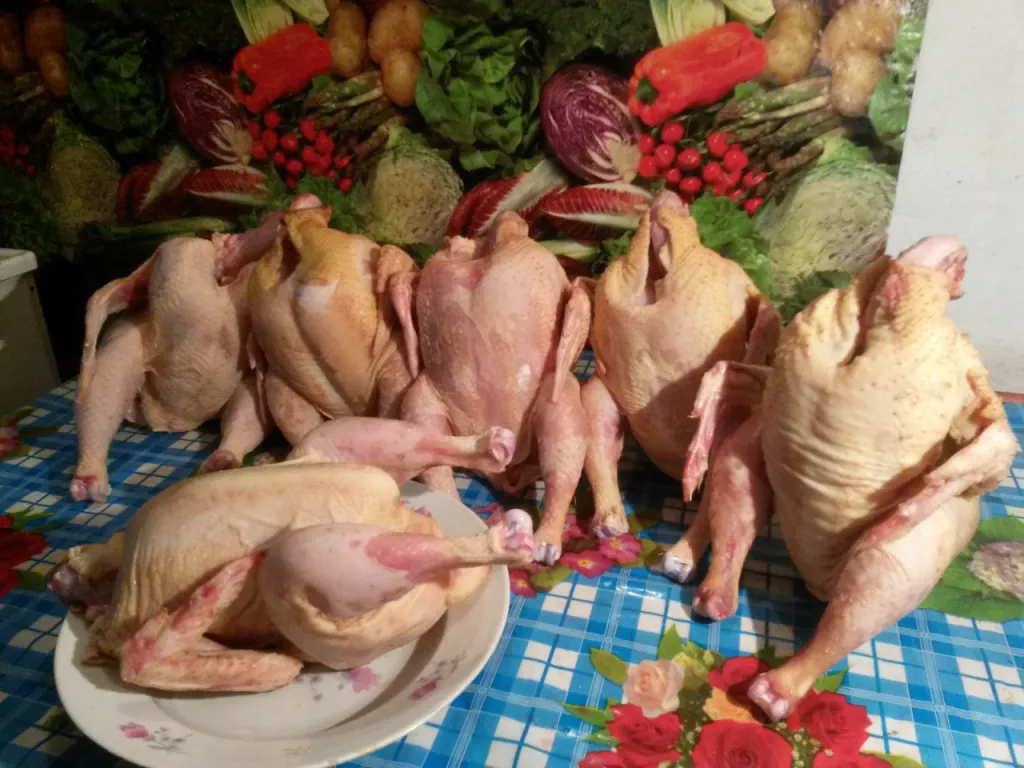
To run a chicken carcass business properly, you need to know the official standards for chicken carcasses. Businesses that fall short of them face penalties for violating standards set by the Indonesian government. These standards matter because they protect consumers' rights. Many businesses today cut corners and ignore consumers' right to carcass meat that is healthy, high quality and nutritious. Here are the broiler chicken carcass standards no carcass business can afford to overlook:
Contents
Carcass Terms and Definitions
Chicken carcass businesses need to know these terms and definitions, because each type of chicken carcass has its own name and definition. A fresh chicken carcass is a freshly slaughtered chicken that must not sit at room temperature for more than 4 hours, so it needs further handling: it has to be turned into a chilled carcass. A chilled carcass is a fresh carcass that is then placed in cold storage at a specified temperature. A frozen carcass is a fresh or chilled carcass that has been held at a temperature below zero degrees.
Also read What a Chicken Carcass Is and the Signs of a Healthy One
Chicken Age
Broiler chickens must reach the proper age before they are slaughtered for carcass meat. In a chicken slaughtered too young, the meat has not grown and developed fully, so it is very thin. You may slaughter chickens for carcasses before they reach that age, but they must already meet the weight requirement. The minimum weight is 1 kilogram; birds below that cannot be harvested yet, because they lose a lot of weight once processed into carcasses.
Carcass Size
The broiler carcass standards also set carcass sizes. There are three: small, medium and large. A small carcass weighs 1 kilogram, while a large one weighs more than 1.3 kilograms. To maximize carcass weight, you need sound broiler farming techniques so the birds have reached a normal weight by harvest time.
Also read A Complete Guide to Chicken Carcass Components
Carcass Grade
The government standards also regulate carcass quality. They set three quality grades, with grade one being the best. To keep their carcasses from being graded poorly or landing in the lowest grade, farmers must handle the chickens carefully during processing, because the more defects found on a carcass, the lower its grade. A low grade will only push down the price of the carcass.
Bacteria-Free
Another standard farmers must meet is that chicken carcasses have to be bacteria-free, meaning no bacteria are found on the carcass meat. If bacteria on a carcass get into the body of the person who eats it, they can cause health problems such as digestive disorders. During inspections, the meat on sale is tested for bacteria, so businesses need to pay close attention to this point.
Packaging
If carcasses will be exported or shipped to other cities or regions, the packaging must be neat and must not damage the carcasses inside, since damage can cause the meat to lose some or all of its nutrients.
Storage
Carcasses must be stored correctly, in a way that suits the type and characteristics of each carcass. Improper storage will cause carcasses to deteriorate and rot.
Also read Tips for Beginners Starting a Chicken Carcass Business
Those are the broiler chicken carcass standards that every carcass business and poultry farmer should know. We hope this information is useful.