6 Tips for Feeding Layer Chickens the Right Way
Feeding layer chickens the right way boosts egg output. Get 6 tips on rations by age, texture, probiotics, timing, roosters vs. hens and steady feeding.

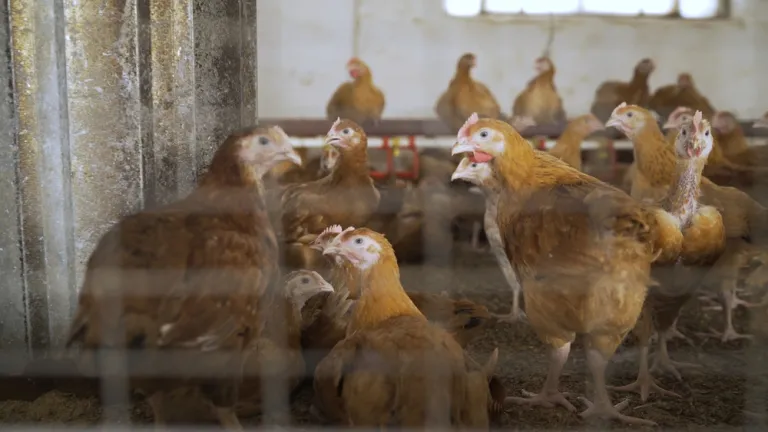
Layer chicken feed deserves your close attention, because it directly affects how productive your laying hens are. To raise their productivity, you need to meet their nutritional needs properly. Good nutrition helps the hens grow and develop well so they can lay quality eggs. If the hens are in poor shape, productivity drops: they lay fewer eggs, and the eggs are smaller than normal.
Many farmers assume that hens that eat a lot will be highly productive, but that isn't the case. The most productive hens are the ones that are healthy and properly nourished. Here is how to feed layer chickens correctly:
Contents
Match the Feed to Their Age
The first rule of feeding layer chickens is to match the feed to their age. Birds in the starter stage have different needs from those in later stages, so you need to know the right amount for each. Overfeeding only leaves feed uneaten, and that costs you money.
Also read Chicken Egg Quality Keeps Improving Year After Year
Texture
To get the most out of your feed, pay attention to its texture. For example, don't give coarse feed to day-old chicks (DOC), because their digestion isn't fully developed yet. Birds past the starter stage can be given mixed feed, since their digestion is better than that of starter birds or DOC.
Add Probiotics
When feeding your chickens, you can also give them probiotics. Probiotics are very helpful in protecting chickens from a range of digestive diseases. They are beneficial bacteria that support the chicken's digestive organs. Digestive problems can make chickens lose interest in their feed, so giving them probiotics helps head off those problems.
Feed on Time
Even if you are providing nutritious feed, the way you feed matters too. One way to boost productivity is to feed your chickens on time. Set a schedule or fixed feeding times, and stick to them. A regular feeding schedule helps the hens remember their mealtimes, which keeps their appetite steady. Irregular feeding can make their appetite drop or spike compared with normal. A steady appetite is better than one that rises or falls suddenly.
Feed Roosters and Hens Differently
To feed your chickens ideally, adjust the rations to their sex. Roosters need larger portions than hens, so you can't give them the same amount. You should also keep roosters separate from hens so feeding is more effective.
Feed Throughout the Day
Giving a large amount of feed all at once can cause problems for your chickens, such as plenty of leftover feed and birds that get tired of eating. Feeding should be spread out, for example in the morning, at midday and in the afternoon at set times. That way, your hens' productivity can rise even further.
Feed is a key factor in chicken farming. Don't just feed your birds until they are full; you need to know how to do it properly. By following the layer chicken feeding tips above, you can expect your hens' productivity to rise.
Also read How to Choose the Right Type of Broiler Chicken Feed