Simple Ways to Optimize Layer Chicken Feed
Get more eggs from layer chicken feed: match feed to each growth phase, feed on schedule, store it dry and keep feeders clean.

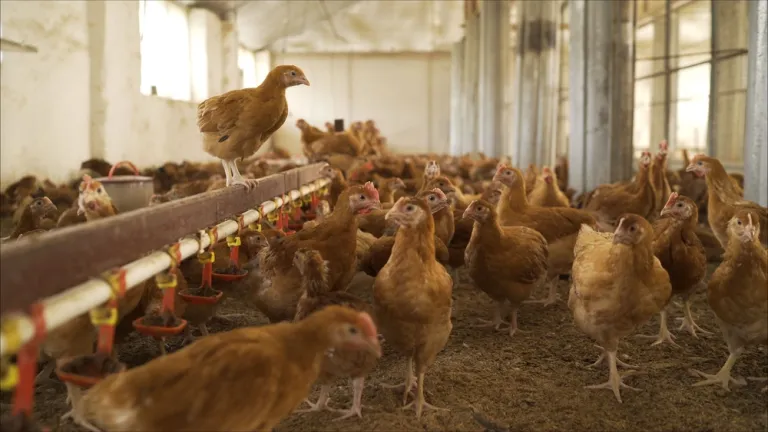
Feed is one of the keys to getting laying hens to produce plenty of good-quality eggs. When layer chicken feed is right for the birds and their condition, it can make an egg farm profitable. Layer farms usually raise hens, because only hens lay eggs. If a layer farm keeps roosters, they are usually used to breed replacement laying stock.
To encourage hens to lay, the feed you choose must support egg formation inside the bird's body. If the feed does not suit the hens' condition, egg production may actually fall, because the birds are not getting the balanced nutrition they need to produce eggs.
Layer feed also has to match the bird's growth phase. By age, the growth phases of a layer chicken are as follows:
- Starter phase: birds aged 0–4 weeks (chicks)
- Grower phase: birds aged 4–16 weeks (growing period)
- Layer phase: birds aged 16 weeks to the end of their productive life (egg-laying period)
The nutritional needs of layer chicks are different from those of growing birds and laying hens. Chick feed usually focuses on helping the young birds adapt to their surroundings, so it should help their bodies resist the bacteria and viruses they may encounter in their environment. For growing birds, the feed focuses on building muscle for growth.
Also read Raising Healthy, High-Quality Kampung Chickens
During the laying period, feed must support egg formation. It should be good quality and support production. Laying hens need to produce not only plenty of eggs but also good eggs. That matters because eggs are an ingredient in many foods and a staple of everyday diets. Because eggs are a staple food, the eggs from layer hens must be good quality so that the body can fully absorb their nutrients.
To get the most out of layer chicken feed, farmers can put the following tips into practice when caring for their flocks.
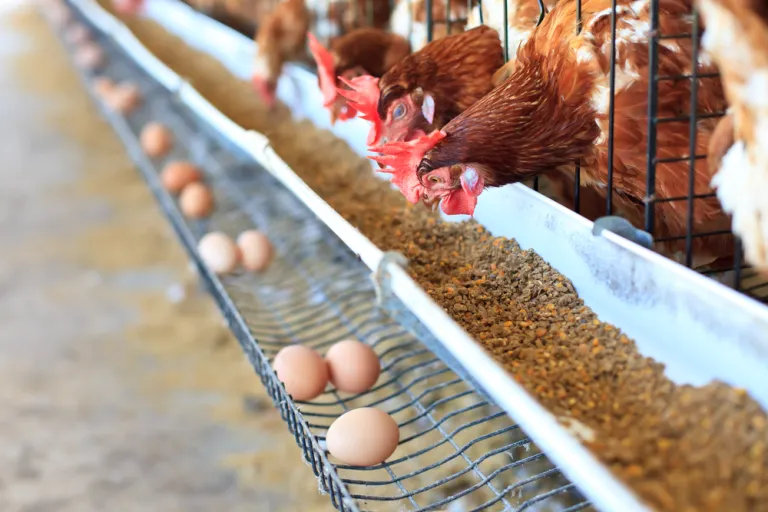
- Feed on a set schedule, in the morning, at midday and in the evening, and keep it regular. Do not put out a whole day's feed at once; it is inefficient and wastes more feed.
- Change the feed at each growth phase, because nutrient and energy needs differ from one phase to the next. Within each phase, stick to the same type of feed so the birds get the right nutrition and egg production does not drop.
- Store layer feed properly. Keep it in a dry place, and ideally do not store it for more than two weeks. This helps prevent mold and keeps the protein content of the feed intact.
- Empty and clean the feeders. Make sure the feeders and drinkers are clean and free of bacteria, viruses and mold. If the feeders, or worse, the feed itself, become contaminated with mold or fungus, the birds can be poisoned by feed that is no longer fit to eat.