2 Types of Layer Chickens to Raise and How to Choose Them
Compare the two types of layer chickens, light white-egg hens and medium brown-egg hens, plus 3 tips for choosing the right layers for your farm.

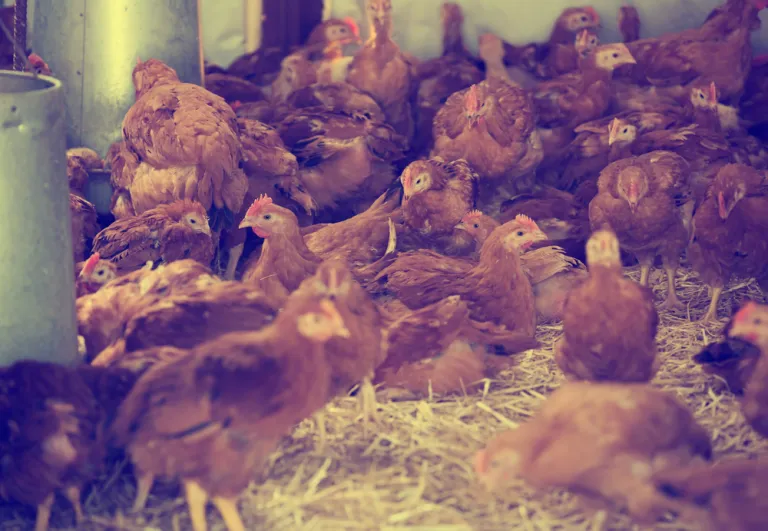
Layer chickens are raised for their eggs. Their characteristics differ from those of kampung chicken (Indonesia's free-range native chicken), but they share some traits with broilers: both have weak immune systems and need highly nutritious feed to stay productive. If the feed is poor, the hens will lay poor-quality eggs, with problems such as frequent cracks, yolks that don't form properly and so on. Here are the types of layer chickens you can raise and should know about:
Light Layer Chickens
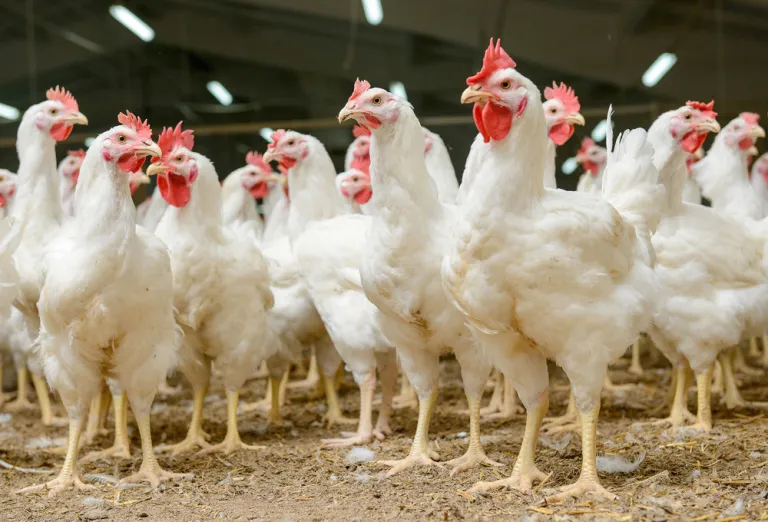
The first type is the light laying hen. It's called light because it weighs less than other types of chicken. Light laying hens are also known as white layers, because they lay white eggs. These hens have a slim, petite body and bright eyes. White layers have a red comb and pure white feathers. Unfortunately, this type isn't farmed in Indonesia because it isn't well suited to the local climate. The downside of keeping these hens in Indonesia is unstable productivity, because they are very sensitive. If the coop isn't calm and comfortable, they lay only a few eggs. In a favorable environment, however, they can lay as many as 260 eggs a year.
Medium Layer Chickens
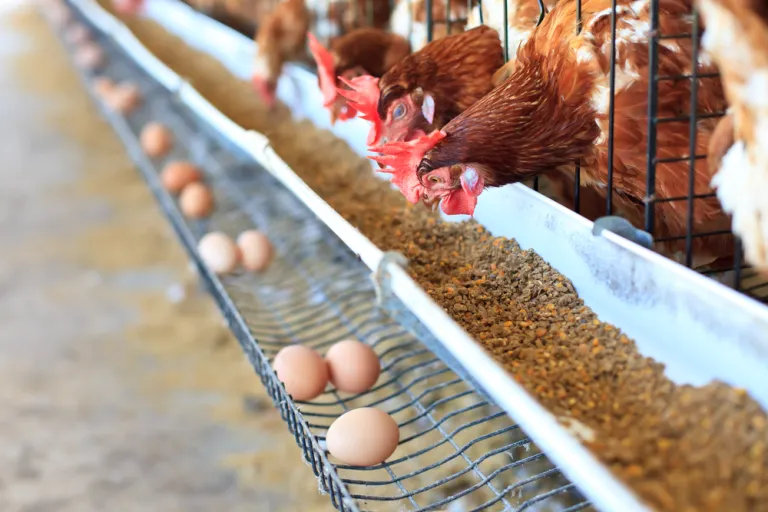
The second and last type of layer chicken is the medium layer. These hens are heavier than light layers, though still lighter than meat-type chickens or broilers. They're also called brown layers because they lay brown eggs. These are the eggs most Indonesians see every day. In terms of quality, their eggs aren't much different from those of light layers, but they weigh more, so it's no surprise they cost more. The advantage of raising this type is stable productivity, and at their peak these hens can produce a lot of eggs in a single harvest. They're useful for more than laying, too: culled spent hens can also be eaten, because their meat tastes good, though it isn't as thick as broiler meat.
Also read The Tempting Advantages of Raising Layer Chickens
Tips for Choosing Layer Chickens to Raise
To succeed in the layer chicken business, you also need to know how to choose the right layers to raise. Here are some tips:
- Match Your Environment
The first tip is to choose hens that suit the location of your farm, because the layer chickens that do well in the lowlands differ from those suited to the highlands. That's because the growth and health of layer chickens are also affected by the climate and temperature where the farm is located.
- Productive
The next tip is to choose productive layers, or laying hens, that produce plenty of eggs without sacrificing quality. The better a hen's genetics, the better its productivity.
- Choose What Buyers Like
To succeed in the laying hen business, choose a type or breed of layer whose eggs are popular with buyers. Before you start farming, test the market first to learn the tastes and buying habits of your target customers.
Also read Effective Layer Chicken Management Tips
The types of layer chickens raised in Indonesia differ from those raised abroad, so you need to know exactly what kind of layer chickens you will raise so your business can run as planned.