5 Tips for Choosing the Right Layer Chicken Feed
Choose the right layer chicken feed: avoid rancid or clumped feed, go high-protein, match each growth stage, keep it dry, and feed on a set schedule.

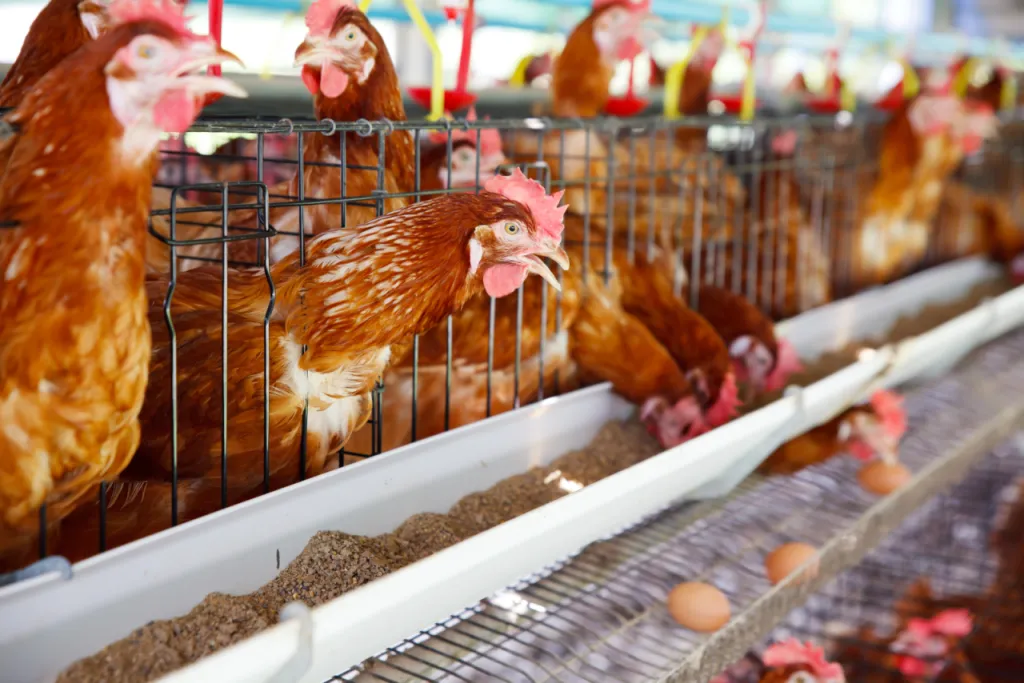
Layer chickens are raised for their eggs. Just like broilers, these hens supply food that is in high demand, since their eggs help meet the nutritional needs of Indonesians. The eggs are also widely used by businesses such as cake and cookie makers, and many others. With the opportunity still wide open, plenty of people want to get into the layer chicken business. But just as with broilers, the layer business isn't easy: you need enough skill and knowledge to raise layer chickens properly and get the best results.
Layer Chicken Feed
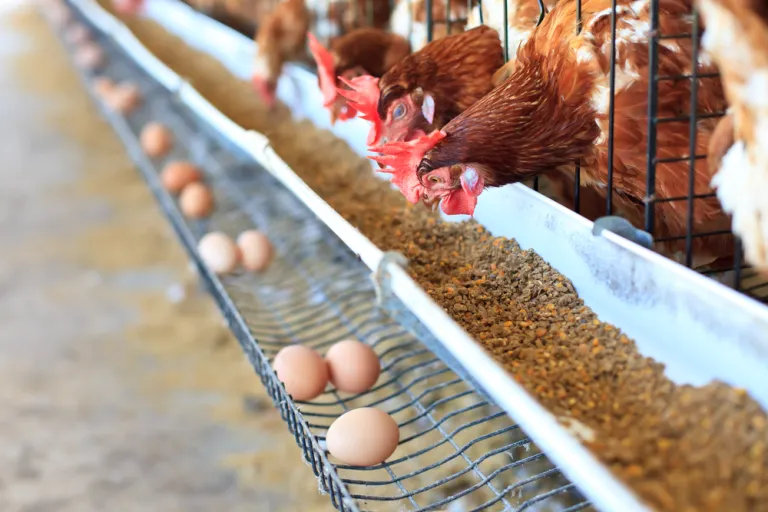
One thing anyone entering the layer business must understand is feed. Feed determines whether a farm succeeds. The better the feed, the more productive layer hens become, laying plenty of quality eggs. If you're interested in the layer chicken business, here are tips for choosing the right layer chicken feed:
- No rancid smell
The first thing to watch for when choosing layer chicken feed is to avoid feed that smells rancid. A rancid smell means the feed has gone bad because bacteria and mold are growing on it. Feeding it to your chickens anyway will cause severe digestive problems.
- No clumps
Next, choose feed that isn't clumped. Feed in good condition never clumps. When you squeeze a handful, it falls apart easily. Clumping can be caused by damage to the ingredients the feed is made from.
- Rich in protein
The next tip for choosing layer chicken feed is to pick one with a high protein content. Protein is what lets layer chickens grow to their full potential and raises their productivity. Compared with other nutrients, protein is the one layer chickens need in the highest proportion.
Also read Tips for Feeding Layer Chickens Correctly
- Match the growth stage
You also need to choose layer chicken feed that matches the birds' growth stage. Don't give starter-stage layers grower feed, because neither its nutrients nor its texture are right for them. It will cause digestive problems, especially in the starter phase, when the chicks' digestive systems aren't fully developed.
- Dry feed
Whatever stage your chickens are in, it's important to give them dry feed. Wet feed will only make layer chickens catch the flu. Excess moisture also makes their droppings runny, which in turn makes the coop smell worse.
Feeding Tips
Besides choosing the feed, you also need to know how to feed your hens correctly. Here are layer chicken feeding tips worth knowing:
- On time
The first feeding tip is to feed on time. You can set a schedule for when to feed your layer chickens. Irregular feeding will only make layer chickens lose their appetite.
- The right amount
The next feeding tip is to give the right amount. Each chicken needs a certain quantity of feed, so don't overfeed or underfeed, because either one hurts productivity.
- Even distribution
The last tip is to distribute feed evenly. When feed isn't spread evenly, the hens grow unevenly too, with some birds large and others small.
Those are some important tips for choosing layer chicken feed and feeding it correctly. We hope this information is useful.