Sexing Layer Chicks: 3 Accurate Ways to Spot Females
Learn 3 accurate methods for sexing layer chicks, from in-egg embryo testing to vent checks and wing feathers, and why hens lay without roosters.

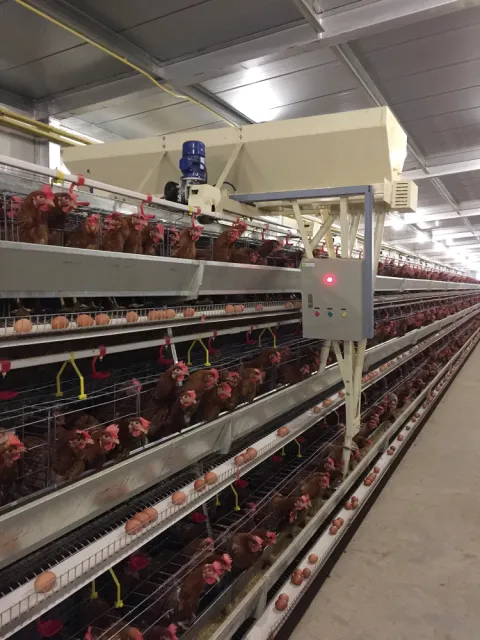
Female layer chickens lay eggs, while males do not. For these birds, being male or female is a matter of life and death, because many farms choose to kill male layer chicks or keep them from hatching, since only females are in demand. Before technology advanced as far as it has today, many male chicks were killed because they were considered useless to the farm. In egg production, roosters are not wanted. Fattening male layers is also seen as unprofitable because they carry so little meat. The solution back then was grim: male layer chicks were destroyed right after hatching. Today's technology is different, because a chick's sex can be determined while it is still an egg, so farmers know which eggs to hatch.
How to Identify Female Layer Chickens
Here is how to tell male chicks from female ones:
Embryo
Even inside the shell, farmers can already tell male layer chickens from females. They find out from the embryo, since male and female embryos differ. Fluid is drawn from exactly the right spot inside the egg, and that fluid is then tested. A female embryo will contain female hormones, while a male embryo will show male hormones. Because males and females have different hormones, this method of determining sex is highly accurate.
Also read 5 Pros and Cons of the Layer Chicken Business to Consider
Checking the Vent
If testing the embryo is too difficult, there is another way to identify female layer chickens: look directly at the chick's genitals. Farmers can check the vent, also called the cloaca. If there is a small raised bump in the vent, the chick is male; if it is round, the chick is female. For the best results, do this during the day in a well-lit place. The younger the chick, the better, because the older it gets, the harder it is to tell.
Feathers
You can also identify female layer chickens by their feathers, specifically the feathers on a chick's wings. Chicks do not yet have their full plumage. To determine a chick's sex, look at its wing feathers. The wing has two kinds of feathers: an upper row and a lower row. The difference between females and males shows in the lower wing feathers, which are longer in female layer chicks than in males.
Also read 6 Tips for Feeding Layer Chickens the Right Way
Female Layer Chickens Can Lay Eggs Without a Rooster
Female layer chickens do not need roosters because they can lay eggs even without one. Fertilization does require both a male and a female. But before a layer chick even hatches, it already has thousands of immature egg cells in its body. Even without male cells, the hen's egg cells are still coated with a shell. When the egg is laid, however, it will not hatch, because it was never fertilized and contains no embryo. That is why laying hens can still lay eggs even when no rooster has mated with them.
Female and male layer chickens each have their own value. Although many say roosters are useless, laying hens still need them. That is because fertilized eggs are needed to produce new layer chicken DOC (day-old chicks).
Also read 7 Criteria for an Ideal Layer Chicken Coop That Keeps Production High